

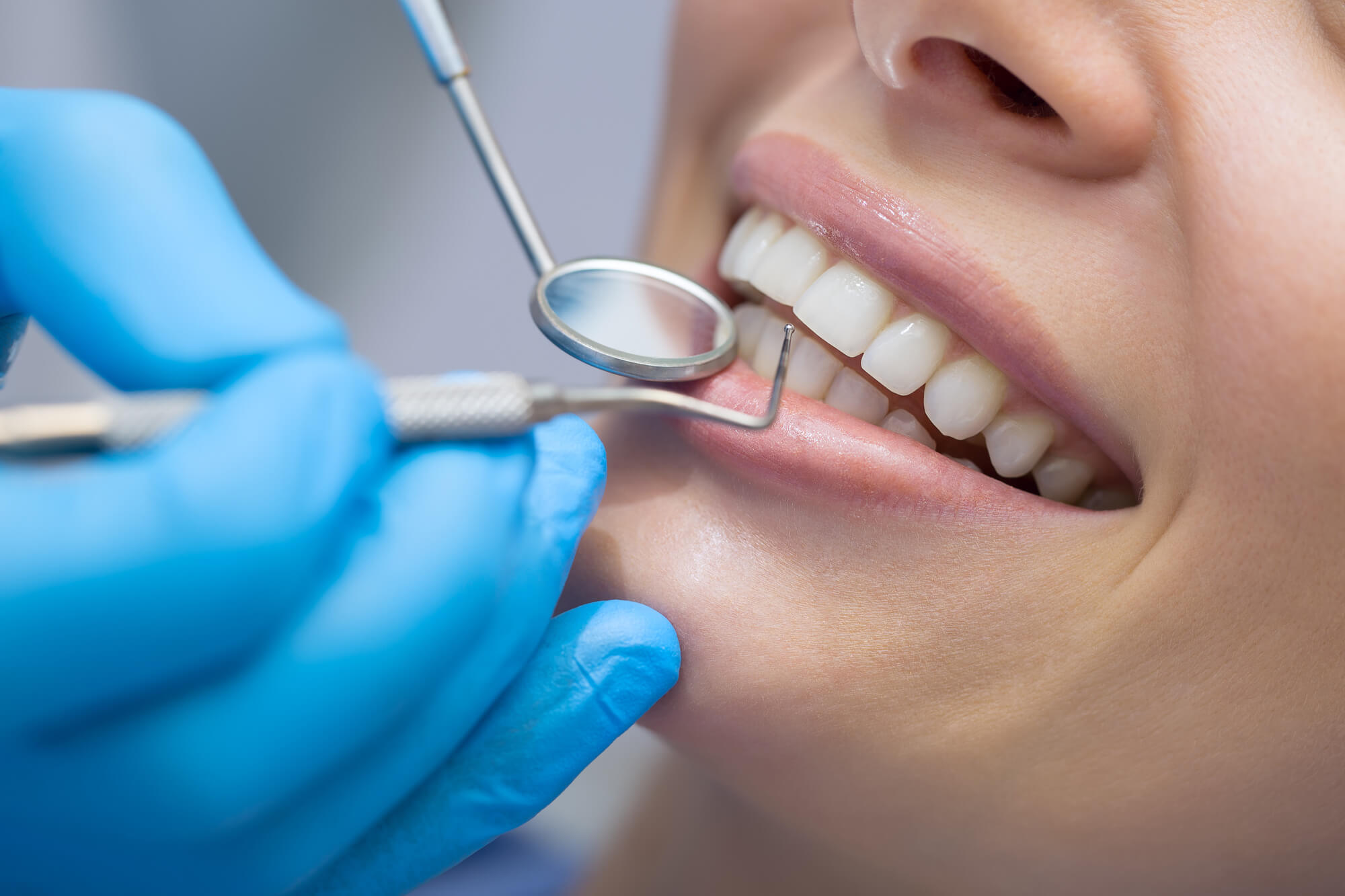
Proper gingival margin management is a cornerstone of successful restorative dentistry. Whether placing crowns, veneers, or other restorations, the interaction between restorative materials and the soft tissue plays a critical role in achieving both functional and aesthetic outcomes. This article explores the importance of managing the gingival margin and offers strategies to ensure optimal crown aesthetics and soft tissue health.
What Is Gingival Margin Management?
Gingival margin management involves the careful handling of the soft tissue surrounding the teeth during restorative procedures. This ensures a seamless interface between the restoration and the natural tissue, reducing the risk of inflammation, recession, or compromised appearance.
Why Gingival Margin Management Matters
1. Crown Aesthetics
- The position of the gingival margin directly influences the appearance of restorations.
- Poor margin placement can result in visible margins, dark lines, or uneven gum contours, all of which detract from the final aesthetic.
2. Soft Tissue Health
- Inappropriate margin placement can irritate the gingiva, leading to inflammation or periodontal disease.
- Healthy soft tissue is essential for maintaining long-term restoration stability and patient satisfaction.
Key Principles of Gingival Margin Management
1. Accurate Margin Placement
- Supragingival Margins: Ideal for easier cleaning and reducing the risk of gingival irritation. Best for non-aesthetic zones.
- Equigingival Margins: Placed at the gum line for balance between aesthetics and hygiene.
- Subgingival Margins: Often necessary in the aesthetic zone to hide the restoration edge but require precise execution to avoid tissue irritation.
2. Soft Tissue Preservation
Minimally invasive techniques, such as atraumatic retraction and soft tissue lasers, can preserve gingival health during procedures.
3. Use of Biocompatible Materials
Choosing materials that promote tissue compatibility reduces the risk of inflammation and discoloration.
Techniques for Effective Gingival Margin Management
1. Tissue Retraction
- Retraction cords or gels provide access to subgingival margins without causing trauma.
- Soft tissue lasers can be used for clean and precise margin exposure.
2. Proper Impression Techniques
- High-quality impressions ensure accurate replication of the gingival contours.
- Digital scanners eliminate inaccuracies common with traditional methods.
3. Meticulous Finishing and Polishing
Polishing the restoration margins reduces plaque accumulation, enhancing soft tissue health and prolonging restoration longevity.
The Impact of Poor Margin Management
Failing to properly manage gingival margins can lead to:
- Gingival Inflammation: Poorly placed margins act as plaque traps, causing irritation and swelling.
- Recession: Traumatized tissue may recede, exposing restoration edges and compromising aesthetics.
- Compromised Crown Aesthetics: Dark lines or poor integration with the natural tooth diminish patient satisfaction.
Enhancing Crown Aesthetics Through Gingival Management
For aesthetically demanding cases, managing the gingival margin ensures the restoration blends seamlessly with the natural dentition. Techniques such as contouring the gingiva to mimic natural tooth emergence profiles elevate the final result.
Advances in Gingival Margin Management
Modern tools and technologies are transforming gingival margin management:
- CAD/CAM Systems: Allow precise margin design for restorations, improving fit and tissue integration.
- Soft Tissue Lasers: Provide atraumatic margin exposure and precise gingival shaping.
- Tissue-Friendly Materials: Innovations in ceramic and composite materials reduce gingival irritation.
Effective gingival margin management is essential for achieving superior crown aesthetics and maintaining soft tissue health. By adhering to best practices and leveraging modern technologies, dentists can ensure their restorations not only look natural but also support long-term oral health.