

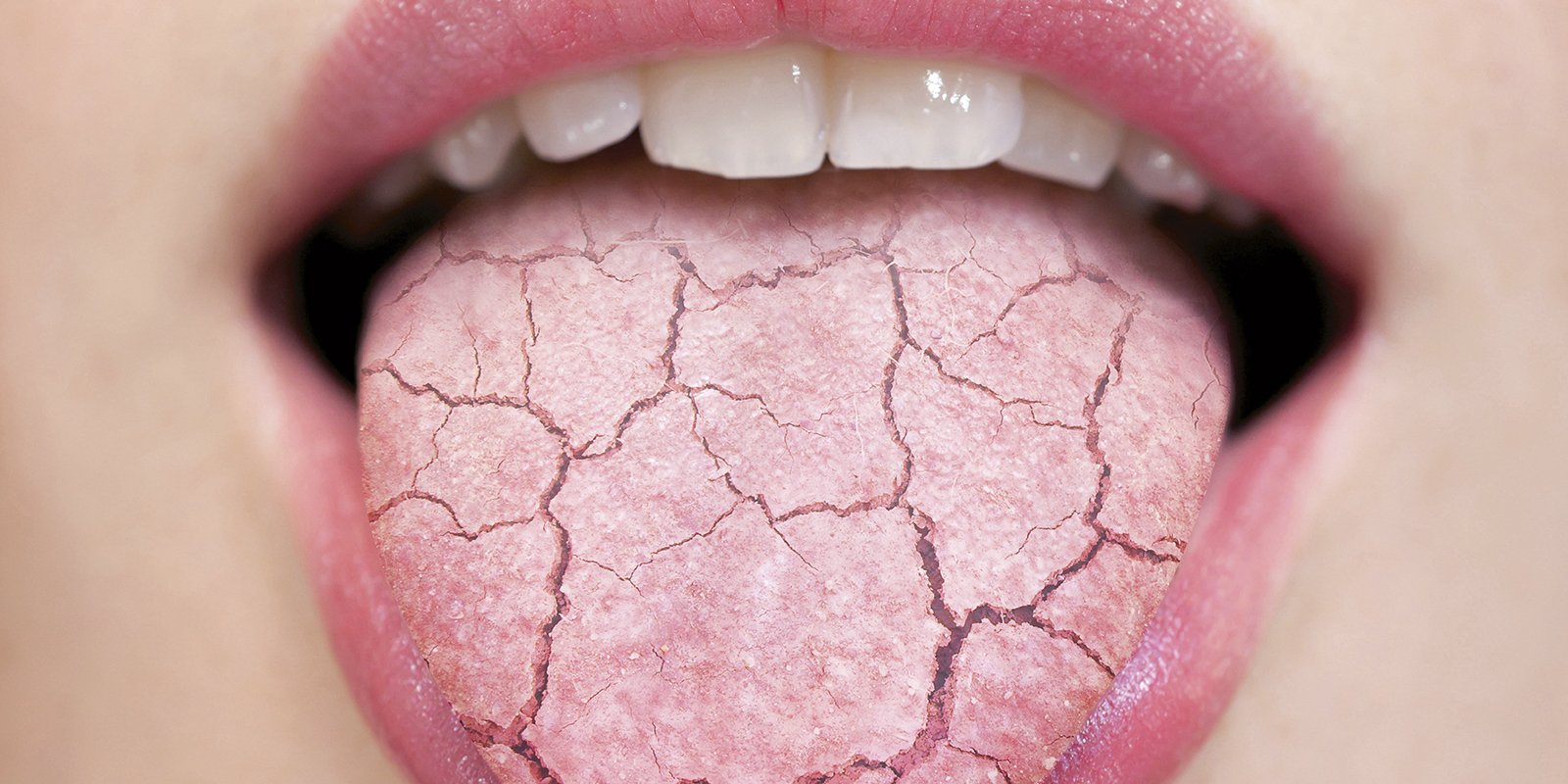
Dry mouth treatment is essential for patients experiencing xerostomia, particularly those taking medications that reduce saliva production. A lack of saliva can lead to discomfort, difficulty swallowing, and increased risk of cavities and infections. Fortunately, dentists use various oral health management strategies, including salivary stimulants, to alleviate symptoms and improve patient well-being.
Understanding Medication-Induced Dry Mouth
Xerostomia, or dry mouth, occurs when the salivary glands do not produce enough saliva. Many prescription and over-the-counter medications can contribute to this condition, including:
- Antidepressants
- Antihistamines
- Diuretics
- Blood pressure medications
- Pain relievers
Saliva plays a crucial role in maintaining oral health by neutralizing acids, washing away food particles, and preventing bacterial growth. Without sufficient saliva, patients are more susceptible to tooth decay, gum disease, and oral infections.
Common Symptoms of Dry Mouth
Patients with xerostomia may experience:
- Persistent dryness or stickiness in the mouth
- Difficulty chewing, swallowing, or speaking
- Cracked lips and sores in the mouth
- Bad breath
- Increased tooth decay and gum problems
Identifying these symptoms early allows dentists to recommend an effective dry mouth treatment plan.
How Dentists Use Salivary Stimulants for Dry Mouth Treatment
1. Sugar-Free Chewing Gum and Lozenges
One of the simplest ways to stimulate saliva production is by chewing sugar-free gum or using lozenges containing xylitol. Xylitol not only promotes saliva flow but also helps prevent cavities.
2. Prescription and Over-the-Counter Saliva Substitutes
Dentists may recommend artificial saliva products that mimic natural saliva’s lubricating properties. These sprays, gels, and rinses help keep the mouth moist and improve comfort.
3. Medications that Stimulate Saliva Production
For severe cases, dentists may prescribe medications such as pilocarpine or cevimeline, which stimulate the salivary glands to produce more saliva.
4. Hydration and Dietary Adjustments
Staying hydrated is crucial for managing xerostomia. Patients should drink plenty of water and avoid dehydrating substances such as caffeine, alcohol, and tobacco. A diet rich in water-containing foods, such as cucumbers and melons, can also help alleviate dryness.
5. Improved Oral Hygiene and Fluoride Treatments
Since xerostomia increases the risk of tooth decay, proper oral health management is essential. Dentists may recommend fluoride toothpaste, mouth rinses, and regular dental check-ups to prevent cavities and gum disease.
6. Humidifiers for Nighttime Relief
Using a humidifier while sleeping can add moisture to the air, reducing nighttime dry mouth symptoms and improving overall comfort.
Preventing Dry Mouth Complications
If left untreated, xerostomia can lead to serious oral health issues. Dentists emphasize the importance of preventive care, including:
- Regular dental visits to monitor oral health
- Using alcohol-free mouth rinses to avoid further drying
- Practicing good oral hygiene to prevent bacterial buildup
Dry mouth treatment is crucial for patients experiencing xerostomia due to medications. Dentists offer a range of oral health management strategies, from saliva-stimulating products to hydration and fluoride treatments, to improve comfort and protect oral health. If you’re struggling with dry mouth, consult your dentist for personalized solutions to keep your mouth healthy and hydrated.
 gumgazetteblog