

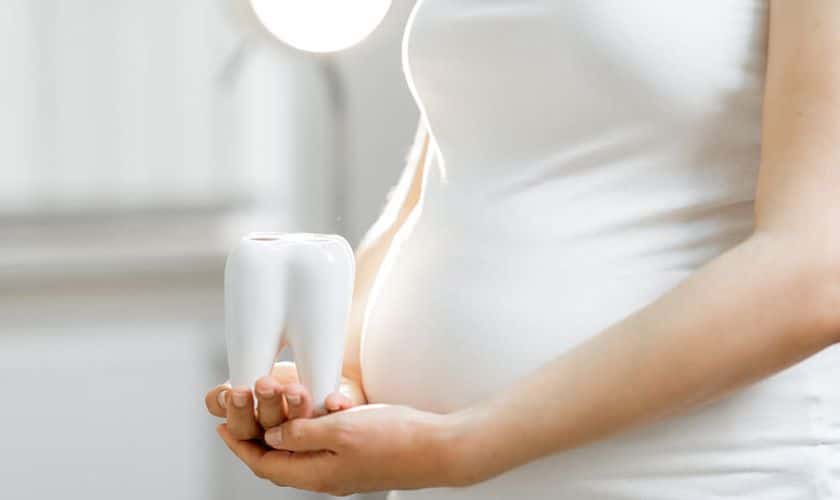
Pregnancy is an exciting and transformative time, but it also comes with many questions—especially about health. One area that often gets overlooked is oral health during pregnancy. You may have heard old tales like “you lose a tooth with every baby” or been unsure whether it’s safe to visit the dentist while expecting. The truth is, keeping your mouth healthy is more important than ever when you’re pregnant.
In this guide, we’ll separate fact from fiction and offer practical tips to help you protect your teeth and gums during pregnancy.
Myth 1: “You Lose a Tooth with Every Baby”
This is one of the oldest and most misleading myths about oral health during pregnancy. The idea likely came from a time when dental care wasn’t as advanced and nutritional deficiencies were common. While it’s true that pregnancy affects your body in many ways, tooth loss is not inevitable.
The Truth
Pregnancy doesn’t cause tooth loss. However, hormonal changes can make your gums more sensitive and prone to inflammation. If you already have gum disease or poor oral hygiene, pregnancy can make it worse—leading to potential problems if left untreated.
Tip: Brush twice a day, floss daily, and keep up with your dental check-ups. You don’t have to lose a tooth just because you’re having a baby!
Myth 2: “Dental Visits Are Unsafe During Pregnancy”
Many expectant mothers avoid the dentist, worrying it could harm their baby. But that’s another myth that could do more harm than good.
The Truth
Routine dental care is not only safe—it’s recommended. In fact, untreated dental issues like gum disease or infections could lead to complications if ignored.
Tip: The second trimester is the best time for non-emergency dental treatments. Let your dentist know you’re pregnant so they can adjust care as needed. X-rays are generally avoided, but if one is needed in an emergency, modern shielding makes it safe.
Myth 3: “Bleeding Gums Are Normal, So Ignore Them”
It’s true that gums may bleed more easily during pregnancy due to increased blood flow and hormonal changes. However, that doesn’t mean you should ignore it.
The Truth
Bleeding gums may be a sign of pregnancy gingivitis, a common condition where gums become swollen and irritated. Left untreated, it can develop into a more serious gum infection.
Tip: Use a soft-bristled toothbrush, brush gently, and floss carefully. If bleeding continues, don’t wait—book a dental appointment.
Morning Sickness and Your Teeth
Morning sickness is tough enough on its own, but many women don’t realise it can also damage their teeth. The acid from vomiting can wear away the enamel, which protects your teeth from decay.
What You Can Do
-
Don’t brush right after vomiting. Acid softens enamel, and brushing too soon can make erosion worse.
-
Instead, rinse your mouth with water or a mix of water and baking soda (1 teaspoon in a glass of water) to neutralise acid.
-
After 30 minutes, brush with a fluoride toothpaste.
Tip: Chewing sugar-free gum after vomiting can help increase saliva and protect your teeth.
Cravings, Snacking, and Tooth Decay
Pregnancy cravings are real, and constant snacking may become part of your routine. But frequent eating—especially sugary snacks—can increase your risk of cavities.
What You Can Do
-
Choose tooth-friendly snacks like cheese, nuts, or raw vegetables.
-
Drink water throughout the day to rinse your mouth.
-
If you enjoy fruit juices or fizzy drinks, limit them and use a straw to reduce contact with your teeth.
Hormones and Gum Sensitivity
The hormonal shifts during pregnancy can increase your risk for gum problems. Oestrogen and progesterone rise, affecting how your gums react to plaque. As a result, your gums may swell or bleed more easily.
What You Can Do
-
Stick to a strict oral hygiene routine.
-
Schedule at least one dental visit during your pregnancy.
-
Use mouthwash if recommended by your dentist to help control plaque.
How Oral Health Affects Baby’s Health
Poor oral health during pregnancy doesn’t just affect you—it can affect your baby too. Some studies have linked severe gum disease to premature birth and low birth weight.
What You Can Do
-
Make oral health a part of your prenatal care.
-
Address any dental pain, swelling, or infection quickly.
-
Keep your dentist informed of your pregnancy and any health concerns.
Safe Dental Treatments During Pregnancy
Here’s what you need to know about common dental treatments while expecting:
-
Cleanings and exams are safe and encouraged.
-
Fillings and extractions can be done, especially if you’re in pain.
-
X-rays are generally safe when necessary and performed with proper shielding.
-
Whitening and elective treatments are best postponed until after birth.
Tip: Always inform your dentist and hygienist that you’re pregnant, even in the early weeks.
Top Tips for Healthy Teeth While Expecting
Here’s a quick checklist to keep your oral health during pregnancy in top shape:
✅ Brush with fluoride toothpaste twice a day
✅ Floss daily to prevent gum inflammation
✅ Visit your dentist for a check-up and cleaning
✅ Rinse your mouth after vomiting
✅ Limit sugary snacks and drinks
✅ Use a soft toothbrush and gentle pressure
✅ Drink plenty of water
✅ Eat a balanced diet rich in calcium and vitamin D
Taking care of your oral health during pregnancy is one of the best things you can do for yourself and your baby. Don’t let myths steer you away from the dentist or make you ignore signs like bleeding gums or tooth sensitivity. With a few simple steps and regular dental care, you can maintain a healthy smile throughout your pregnancy—and beyond.
If you have any concerns, don’t hesitate to speak with your dentist or midwife. Your mouth matters just as much as the rest of your body while you’re expecting.