

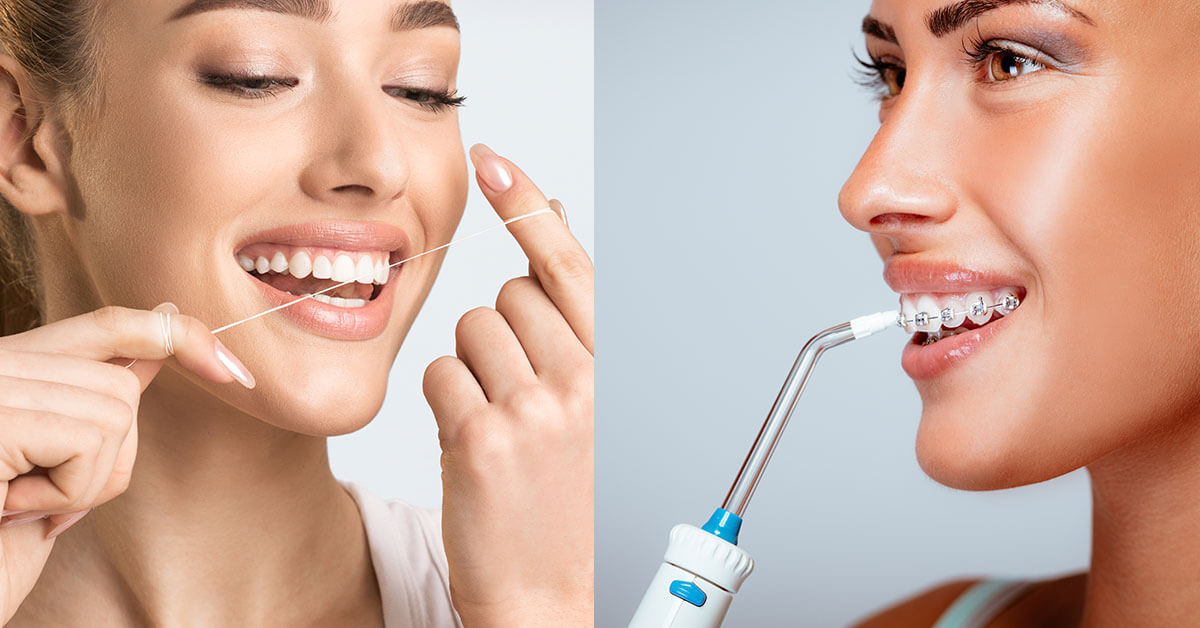
Keeping your gums healthy is just as important as having clean, white teeth. Brushing alone can’t remove food and plaque between your teeth and under the gumline. That’s where flossing comes in. But should you go for string floss or try a water flosser? When it comes to gum health, many people wonder which tool is more effective—and more comfortable.
In this guide, we’ll break down the pros and cons of water flossers vs. traditional floss, help you understand how each one works, and show you which option might be best for your smile.
Why Gum Health Matters
Before we dive into the tools, let’s talk about gums. Healthy gums hold your teeth in place, protect against bacteria, and keep your whole mouth in balance. But if plaque builds up along the gumline, it can lead to inflammation, bleeding, and gum disease.
Flossing helps by removing plaque and food where toothbrushes can’t reach. Without it, even daily brushing won’t stop early gum problems from turning into more serious issues.
What Is Traditional Floss?
Traditional floss is the classic dental string we’ve used for decades. It slides between your teeth and helps scrub away plaque from the sides and gumline.
Pros of Traditional Floss
-
Affordable and easy to find
-
Gives a close clean—you feel it between the teeth
-
No batteries or charging needed
-
Ideal for tight spaces between teeth
Cons of Traditional Floss
-
Can be hard to use for people with limited hand movement
-
Can cause bleeding if your gums are already inflamed
-
Takes practice to get the technique right
-
May not reach deep gum pockets
Tip: If you’re using string floss, don’t snap it into place. Instead, gently curve it around each tooth in a C-shape and move it up and down.
What Is a Water Flosser?
A water flosser, also known as an oral irrigator, uses a stream of pulsating water to clean between teeth and along the gumline. It’s a powered device that can feel gentler and less fiddly than traditional floss.
Pros of Water Flossers
-
Gentle on gums—ideal for sensitive or bleeding gums
-
Great for braces, implants, or bridges
-
Easier to use for people with arthritis or dexterity issues
-
Can flush out bacteria below the gumline
Cons of Water Flossers
-
More expensive than string floss
-
Takes up counter space and needs electricity or batteries
-
May feel messy until you get the hang of it
-
Not as effective at scraping plaque in tight spots if not used properly
What Does the Research Say?
Studies show that both tools can help improve gum health, but they work in slightly different ways.
-
One study found that people who used a water flosser and toothbrush together had better gum health than those who brushed and used string floss.
-
Another study showed that water flossers reduced bleeding and gum inflammation more than traditional floss in certain groups.
However, string floss still leads when it comes to removing sticky plaque between tightly packed teeth—if you can use it correctly.
Who Should Use a Water Flosser?
While anyone can benefit, water flossers are especially helpful for:
-
People with braces or orthodontic devices – It’s hard to get string floss under wires, but water flossers glide around them with ease.
-
People with implants or bridges – A water flosser can clean tricky areas without damaging dental work.
-
Seniors or those with arthritis – If string floss hurts your hands, a water flosser can make flossing manageable again.
-
People with gum sensitivity – Water feels softer and less abrasive than string.
Tip: Use your water flosser at a low setting when starting out, and direct the stream along the gumline—not straight at the gums.
Who Should Stick with Traditional Floss?
String floss might be best if:
-
You have tight teeth with very little space between them
-
You like the feeling of a manual, detailed clean
-
You’re comfortable with your technique and don’t mind spending a little extra time
-
You’re on a tight budget and want the most cost-effective method
Can You Use Both?
Yes! Many dentists recommend a combination. You can use a water flosser daily and still floss with string two or three times a week to catch anything the water might miss.
This method can help if you’re working on improving your gum health but still want to keep your cleaning routine simple and flexible.
Tips for Healthy Gums—No Matter Which Tool You Choose
✅ Floss once a day
✅ Brush twice a day with a fluoride toothpaste
✅ Visit your dentist regularly for cleanings and check-ups
✅ Don’t skip flossing, even if your gums bleed—bleeding often means you need more cleaning, not less
✅ Use a mouthwash recommended by your dentist if needed
✅ Stay hydrated and eat a balanced diet for stronger gums
Water Flossers vs. Traditional Floss
So, which one wins? When it comes to gum health, the best choice depends on your needs, habits, and comfort.
-
Traditional floss works well for those who are consistent and have good technique.
-
Water flossers are fantastic for anyone who needs extra help, has sensitive gums, or struggles with manual dexterity.
The key isn’t choosing the perfect tool—it’s making sure you floss at all. Whether it’s with string or water, daily flossing will go a long way in keeping your gums healthy, your teeth strong, and your smile bright.