

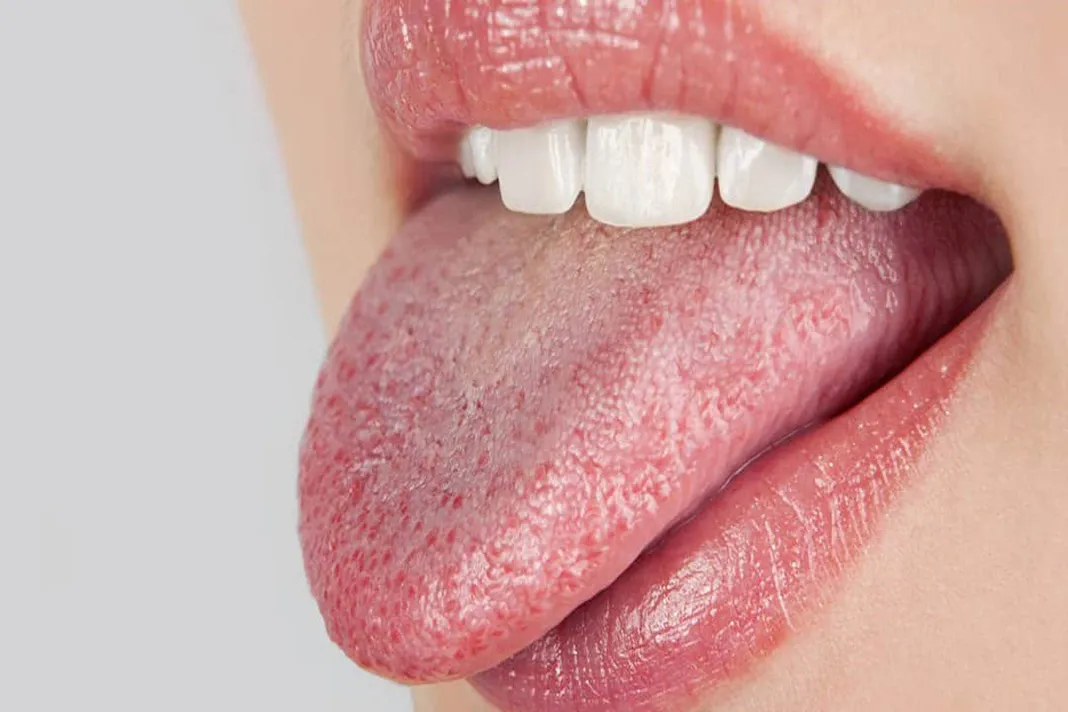
Medication-induced xerostomia, commonly known as dry mouth, is a condition caused by reduced saliva production due to the side effects of certain drugs. This condition can significantly impact oral health and overall quality of life, making its identification and management critical. Here, we explore how to recognize xerostomia caused by medications and the best practices for managing it, focusing on dry mouth remedies and salivary gland care.
Understanding Medication-Induced Xerostomia
Xerostomia occurs when medications interfere with the normal functioning of the salivary glands, leading to reduced saliva production. Common medications that can cause xerostomia include:
- Antidepressants and antianxiety drugs
- Antihistamines and decongestants
- Diuretics and antihypertensives
- Pain medications and muscle relaxants
Saliva plays a vital role in maintaining oral health by neutralizing acids, providing lubrication, and aiding in digestion. A lack of saliva can lead to complications like tooth decay, gum disease, and difficulty swallowing or speaking.
Symptoms of Medication-Induced Xerostomia
Key symptoms include:
- Persistent dry or sticky feeling in the mouth
- Difficulty chewing, swallowing, or speaking
- Increased thirst
- Cracked lips or sores in the mouth
- Bad breath (halitosis)
- Increased susceptibility to dental issues, including cavities and oral infections
Diagnosing Medication-Induced Xerostomia
1. Patient History
A detailed history of medications can help identify potential causes of xerostomia. Dentists and physicians often review the patient’s drug regimen to pinpoint likely culprits.
2. Clinical Examination
Observation of dry oral tissues, along with signs of enamel erosion, gum inflammation, or fungal infections, can indicate reduced salivary flow.
3. Salivary Gland Testing
Specialized tests such as salivary flow rate measurement or imaging techniques can assess salivary gland function.
Effective Management Strategies
1. Hydration and Lifestyle Changes
- Encourage patients to drink plenty of water throughout the day.
- Avoid caffeine, alcohol, and tobacco, which can worsen dryness.
- Use a humidifier at night to maintain moisture in the environment.
2. Dry Mouth Remedies
- Over-the-Counter Solutions: Saliva substitutes, sprays, and gels can provide temporary relief.
- Sugar-Free Chewing Gum or Lozenges: Stimulate natural saliva production.
- Prescription Therapies: Medications like pilocarpine or cevimeline can stimulate salivary glands.
3. Salivary Gland Care
- Regular gentle massage of the salivary glands can promote function.
- Include foods in the diet that stimulate chewing, such as fibrous fruits and vegetables.
4. Enhanced Oral Hygiene
- Use fluoride toothpaste and mouthwash to protect against cavities.
- Brush and floss regularly to minimize plaque buildup.
- Schedule more frequent dental checkups to monitor oral health.
Preventive Measures
1. Medication Adjustment
If feasible, physicians may adjust dosages or substitute medications with less xerostomic effects. Collaboration between dentists and healthcare providers is vital for comprehensive care.
2. Diet Modifications
Avoid acidic and spicy foods that may exacerbate discomfort or increase the risk of dental erosion.
3. Specialized Products
- Products specifically designed for dry mouth, such as xylitol-based rinses, help maintain moisture and reduce bacterial growth.
Long-Term Implications of Untreated Xerostomia
Failure to address xerostomia can lead to serious oral health issues, including:
- Accelerated tooth decay and gum disease
- Oral infections like candidiasis
- Difficulty wearing dentures or oral prosthetics
Medication-induced xerostomia requires prompt identification and effective management to safeguard oral health and enhance patient comfort. By using a combination of dry mouth remedies, fostering salivary gland care, and working with healthcare providers to adjust medications, patients can experience relief from this common condition.
 gumgazetteblog