

Athletes continuously strive to optimize every aspect of their performance, from physical conditioning to nutrition. One often-overlooked factor that can significantly influence athletic efficiency is dental occlusion in sports, or the alignment of the upper and lower teeth when the jaw closes. Proper bite alignment plays a critical role not only in oral health but also in overall physical performance.
What Is Dental Occlusion?
Dental occlusion refers to how the teeth meet when the jaws close. An ideal occlusion ensures proper alignment of teeth and jaws, enabling efficient chewing, speaking, and even breathing. Misalignment, known as malocclusion, can lead to issues such as:
- Jaw strain.
- Muscle imbalances.
- Disrupted posture, which may impact athletic efficiency.
The Connection Between Dental Occlusion and Athletic Performance
1. Bite Alignment and Body Mechanics
Improper dental occlusion can influence the head and neck posture, creating strain on the temporomandibular joint (TMJ). This tension may travel to the shoulders and spine, disrupting overall body mechanics. For athletes, poor posture can result in:
- Reduced balance and coordination.
- Decreased strength and stability during high-impact activities.
2. Enhanced Oxygen Intake
Proper occlusion supports optimal airway function. Athletes with a misaligned bite might experience restricted airflow, affecting their stamina and performance. Correct alignment ensures efficient breathing, which is crucial for endurance-based sports.
3. Muscle Symmetry and Power Output
Dental occlusion directly impacts the balance of facial and neck muscles. Malocclusion can lead to muscular asymmetry, reducing the strength and power needed for athletic movements like sprinting, jumping, or lifting.
Evidence Supporting Dental Occlusion in Sports
Several studies have investigated the role of occlusion in enhancing athletic performance:
- Improved Postural Stability: Correcting bite alignment has been shown to improve an athlete’s balance, especially in sports requiring precision, like gymnastics or golf.
- Enhanced Reaction Times: Athletes with optimized occlusion demonstrated quicker reflexes due to better neuromuscular coordination.
- Reduced Risk of Injury: Proper occlusion minimizes unnecessary stress on muscles and joints, helping prevent injuries.
Tools to Optimize Dental Occlusion for Athletes
1. Performance Mouthguards
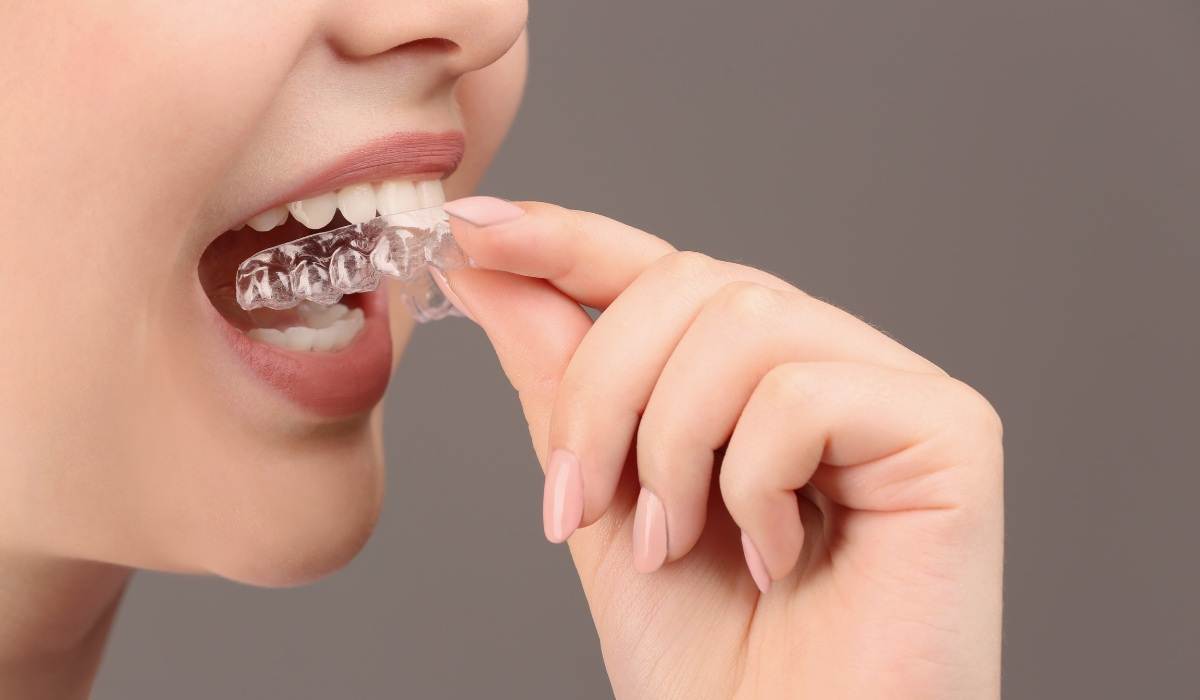
Custom-made performance mouthguards are designed not just for protection but also to enhance bite alignment. By stabilizing the jaw, these devices improve muscle function, balance, and endurance.
2. Occlusal Splints
Occlusal splints, often used by athletes with TMJ issues, align the bite and relieve pressure from overactive jaw muscles, contributing to better performance.
Signs of Malocclusion in Athletes
Athletes experiencing any of the following symptoms should consult a dentist specializing in sports dentistry:
- Frequent headaches or jaw pain.
- Unexplained muscle fatigue or asymmetry.
- Difficulty breathing during intense activities.
Dental Treatments to Improve Athletic Efficiency
1. Bite Adjustment Therapy
Dentists can identify and correct misaligned teeth using orthodontic treatments or bite therapy, ensuring optimal occlusion.
2. Orthodontic Solutions
Braces, aligners, or other orthodontic appliances can correct malocclusion, leading to long-term improvements in both dental and athletic health.
3. TMJ Therapy
For athletes with TMJ dysfunction, targeted therapies like physiotherapy, Botox, or custom splints can help alleviate symptoms and restore function.
The Role of Dentists in Sports Performance
Specialized sports dentists collaborate with athletes to ensure their dental health supports their physical goals. Through technologies like bite force analysis and digital occlusal scanning, dentists can assess and improve dental occlusion, enhancing overall athletic performance.
The impact of dental occlusion in sports extends far beyond oral health. Proper bite alignment enhances athletic efficiency, minimizes injury risks, and supports better oxygen intake and muscular balance. Athletes aiming to gain a competitive edge should consider regular dental evaluations to optimize their performance and protect their long-term well-being.
 gumgazetteblog