

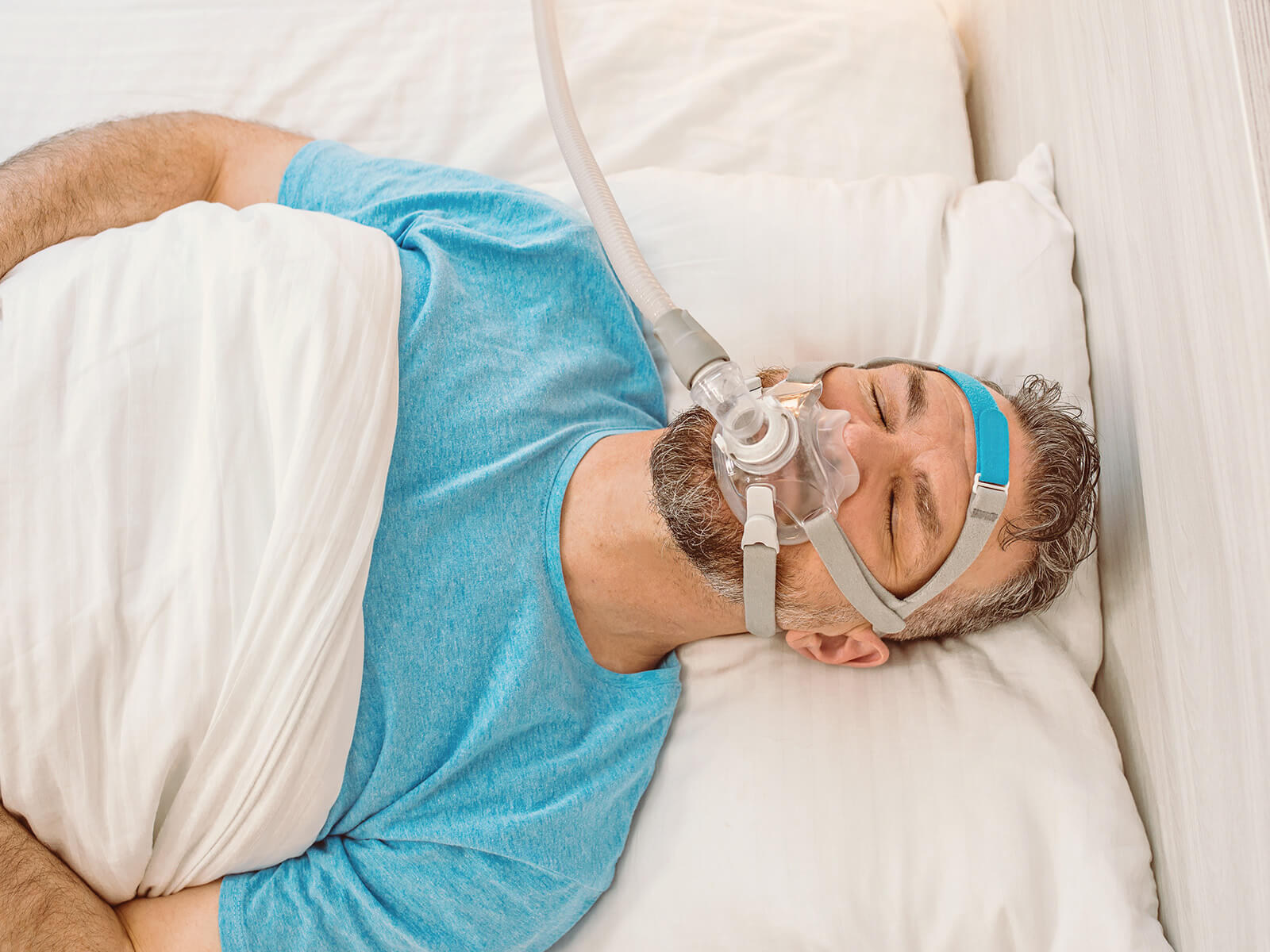
Sleep apnea is a common condition that affects millions of people worldwide, often leading to poor quality sleep and various health issues. While many are familiar with continuous positive airway pressure (CPAP) machines as a treatment, dental sleep apnea devices have emerged as a less invasive and effective alternative for managing obstructive sleep apnea (OSA) and snoring. In this blog, we’ll explore how dental sleep apnea devices work, their benefits, and how they play a vital role in improving sleep quality.
What is Sleep Apnea?
Sleep apnea is a sleep disorder that causes repeated interruptions in breathing during sleep. The most common form, obstructive sleep apnea (OSA), occurs when the muscles at the back of your throat relax excessively, blocking the airway. This leads to pauses in breathing that can last for several seconds to minutes, disrupting sleep and lowering oxygen levels in the blood.
While OSA can lead to daytime fatigue, irritability, and concentration difficulties, it also increases the risk of more serious conditions like heart disease, stroke, and high blood pressure. One of the most noticeable symptoms of sleep apnea is snoring, which is caused by the partial obstruction of the airway during sleep.
How Dental Sleep Apnea Devices Work
Dental sleep apnea devices, also known as oral appliances or mandibular advancement devices (MADs), are custom-made devices designed to treat obstructive sleep apnea and reduce snoring. These devices work by repositioning the lower jaw and tongue to help keep the airway open during sleep. The goal is to prevent the airway from collapsing, which is the main cause of apneas or breathing pauses.
These devices are typically worn over the teeth while sleeping and are tailored to each patient’s mouth for comfort and maximum effectiveness. By gently advancing the lower jaw, the device helps to prevent the tongue and soft tissues from obstructing the airway.
Benefits of Dental Sleep Apnea Devices
1. Effective Treatment for Mild to Moderate OSA
For individuals with mild to moderate obstructive sleep apnea, dental sleep apnea devices can be an excellent treatment option. Studies have shown that these devices can reduce the frequency and severity of apneas, providing patients with better sleep quality and reducing the risk of associated health complications.
Oral appliances are also a popular alternative for those who find CPAP machines uncomfortable or cumbersome. With no need for tubes or masks, oral appliances are often a more convenient option for many people.
2. Snoring Treatment
One of the most common reasons people seek dental sleep apnea devices is to reduce or eliminate snoring. While snoring itself is not necessarily a sign of sleep apnea, it is often a precursor. When the airway becomes partially blocked, the vibrations of the air passing through cause the sound of snoring. Dental sleep apnea devices work by repositioning the jaw, which in turn opens the airway and reduces or stops snoring.
For many couples, snoring can interfere with quality sleep, leading to frustrations and fatigue. An oral appliance can provide a simple and effective solution for both the person snoring and their bed partner.
3. Non-Invasive and Comfortable
Unlike CPAP therapy, which requires wearing a mask connected to a machine, dental sleep apnea devices are non-invasive and fit comfortably over the teeth. The design of the appliance is typically small and unobtrusive, making it easy to wear throughout the night without discomfort. Customisation ensures that the device fits securely in the mouth, allowing for a peaceful night’s sleep without the hassle of tubes or machines.
This convenience makes oral appliances an appealing option for individuals who struggle with the discomfort or noise of CPAP machines.
4. Improved Sleep and Health
By preventing airway obstructions, dental sleep apnea devices help promote deeper and more restful sleep. With improved sleep, individuals may experience better concentration, increased energy levels, and improved mood during the day. Additionally, consistent, quality sleep can lower the risk of developing more severe health issues related to obstructive sleep apnea, such as cardiovascular problems and high blood pressure.
When to Consider a Dental Sleep Apnea Device
Dental sleep apnea devices are best suited for individuals with mild to moderate OSA or those who primarily suffer from snoring. If you have been diagnosed with sleep apnea and are looking for an alternative to CPAP therapy, oral appliances can be an excellent treatment option to discuss with your dentist or sleep specialist.
These devices can also be a suitable option for those who travel frequently, as they are portable and easy to use. For people who have difficulty adapting to CPAP machines, oral appliances offer a more comfortable and less invasive alternative to help manage obstructive sleep apnea.
If you experience symptoms like chronic snoring, waking up feeling tired, or frequent pauses in breathing during sleep, it’s essential to consult a healthcare professional for a proper diagnosis and discuss whether a dental sleep apnea device is right for you.
Choosing the Right Dental Sleep Apnea Device
While there are several types of dental sleep apnea devices available, it’s important to work closely with a dentist who specialises in sleep medicine to ensure the appliance is tailored to your specific needs. The dentist will take impressions of your teeth and may use advanced imaging to design a custom appliance that fits securely and comfortably.
Regular follow-up appointments will also be necessary to monitor your progress and make any adjustments to the device if needed. Most patients find that with time, they get used to wearing the appliance and experience a significant improvement in their sleep quality.
Dental sleep apnea devices offer a comfortable, non-invasive, and effective solution for managing obstructive sleep apnea and snoring. By helping to keep the airway open and reducing obstructions during sleep, these devices improve both the quality of sleep and overall health. If you or a loved one are struggling with sleep apnea or snoring, consulting a dentist about dental sleep apnea devices may be the first step toward better, more restful nights.
Don’t let sleep apnea interfere with your health and well-being. Explore the options available and discover how these oral appliances can make a meaningful difference in your sleep quality and overall life.
 gumgazetteblog