

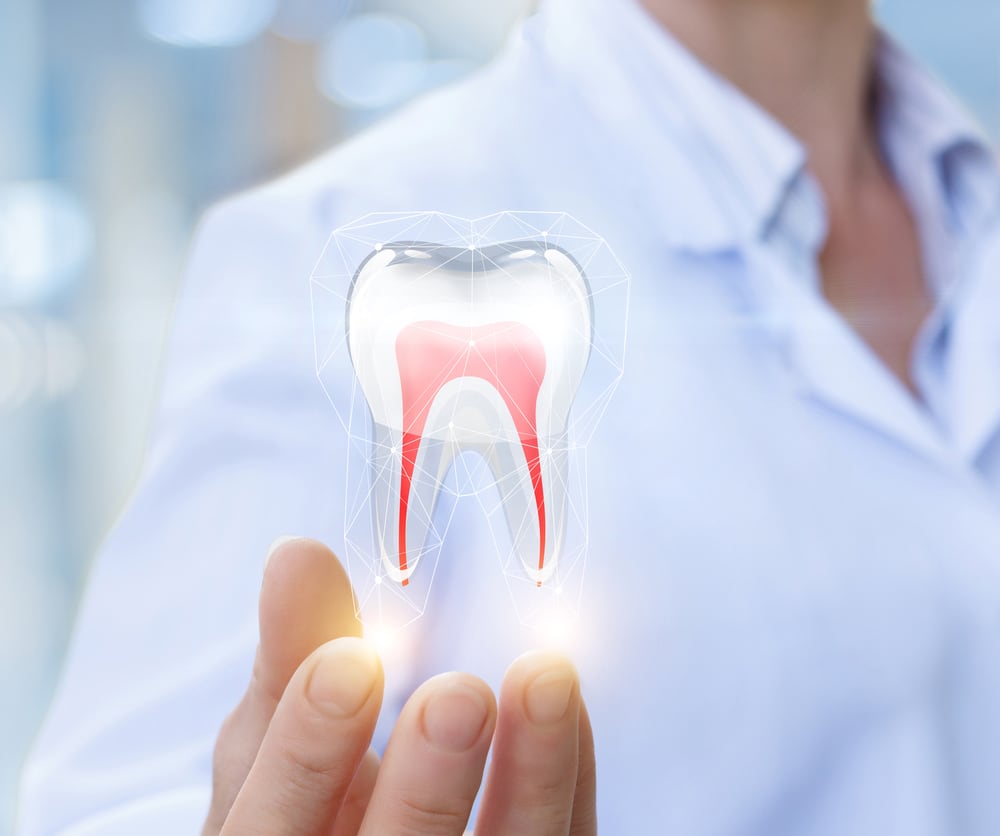
Root canal therapy, also known as endodontic treatment, is a dental procedure designed to treat infections or damage in the tooth’s pulp, which is the soft tissue inside the tooth. Over the years, the practice of endodontics has evolved significantly, thanks in part to advancements in biomaterials in root canals. These materials play a crucial role in improving the success rate of root canal treatments, providing better long-term outcomes, and ensuring that patients experience fewer complications. In this blog, we will explore how biomaterials in root canals have revolutionised the process of root canal therapy and why they are essential for modern dental restoration.
What Are Biomaterials in Root Canals?
Biomaterials in root canals refer to materials used in the treatment of root canal systems that interact with biological tissues. These materials are designed to restore the tooth’s structure, seal the root canal, and promote healing. The most common types of biomaterials used in root canal therapy include gutta-percha, resilon, and various types of sealing compounds.
The primary function of these materials is to fill the cleaned and shaped root canal space, preventing bacteria from re-entering and causing further infection. However, modern biomaterials in root canals offer additional benefits, such as biocompatibility, enhanced sealing properties, and the ability to promote tissue regeneration.
The Role of Biomaterials in Root Canal Therapy
1. Improved Biocompatibility
One of the most significant advances in biomaterials in root canals is their increased biocompatibility. Biocompatible materials are designed to interact harmoniously with the body’s tissues, minimising the risk of inflammation, infection, or allergic reactions. Materials such as gutta-percha and resilon are specifically chosen for their ability to integrate with the surrounding tissues without causing damage or rejection.
In addition, some modern biomaterials in root canals promote tissue regeneration. This is particularly important in cases where the tooth pulp has been severely damaged. The goal is to encourage the growth of healthy tissue within the root canal, helping the tooth heal naturally and improve the chances of successful treatment.
2. Enhanced Sealing Properties
A critical aspect of root canal therapy is ensuring that the root canal is properly sealed to prevent bacteria from re-entering. The quality of the seal directly influences the long-term success of the treatment. Modern biomaterials in root canals, such as bioceramics, offer superior sealing properties compared to traditional materials.
Bioceramics, like calcium silicate-based materials, are highly effective in sealing the root canal space due to their ability to expand slightly after setting. This expansion helps to fill any microscopic voids, improving the seal and making it more resistant to leakage. A strong seal prevents reinfection, which is one of the main causes of treatment failure.
3. Strengthening the Tooth Structure
In addition to sealing and promoting healing, some biomaterials in root canals contribute to the structural integrity of the tooth. For instance, materials like resilon and calcium silicate-based sealers help to strengthen the weakened tooth structure after the infection has been removed.
Since root canal-treated teeth are often more brittle than healthy teeth, strengthening the tooth is an important part of the restoration process. These biomaterials provide additional support, helping to prevent fractures or other forms of damage after the procedure.
4. Faster Healing and Reduced Post-Treatment Discomfort
Traditionally, root canal therapy was associated with prolonged discomfort and longer healing times. However, advances in biomaterials in root canals have helped to reduce post-treatment inflammation and speed up recovery. Materials such as bioceramics and resilon are not only biocompatible but also have antimicrobial properties that help prevent infection during the healing process.
Additionally, these materials promote faster tissue healing, which means patients typically experience less discomfort after treatment. This is a significant improvement over older materials that could cause irritation or sensitivity in the surrounding tissues.
The Impact of Biomaterials on Endodontics
1. Minimising the Risk of Failure
One of the primary goals of endodontics is to prevent reinfection of the root canal system. The use of advanced biomaterials in root canals has made a significant impact in this area. With better sealing properties and enhanced antibacterial properties, these materials reduce the risk of treatment failure.
In cases where the root canal treatment does fail, it often results from bacteria being trapped in small spaces within the root canal. Modern biomaterials fill these spaces more effectively, minimising the chances of reinfection and ensuring better long-term results for the patient.
2. Reduced Need for Retreatment
With traditional root canal materials, there was always a risk that the root canal might need to be retreated if infection recurred or if the seal wasn’t sufficient. Thanks to advancements in biomaterials in root canals, this risk has been reduced. Materials with better sealing abilities, antimicrobial properties, and the ability to strengthen the tooth’s structure help ensure the treatment is more effective from the outset, reducing the likelihood of needing further intervention.
Biomaterials in Root Canals: The Future of Dental Restoration
1. Promoting Regeneration and Revascularisation
An exciting frontier in biomaterials in root canals is the potential for regenerating or revascularising damaged tissue. This process involves the restoration of the natural pulp tissue within the root canal, which can be particularly beneficial for younger patients whose teeth have not fully developed.
Scientists and dental researchers are exploring materials that encourage the growth of healthy tissue within the root canal, rather than simply filling it with synthetic materials. This regenerative approach could lead to more natural and sustainable outcomes for patients, offering a long-term solution that mimics the function of natural teeth.
2. Advancements in Bioceramic Materials
Bioceramics are becoming increasingly popular in endodontics due to their excellent biocompatibility, sealing properties, and strength. As research continues, these materials are expected to improve even further, offering even more benefits for root canal therapy. The development of new bioceramic compounds may lead to more effective treatments with faster healing times and longer-lasting results.
The use of biomaterials in root canals has transformed the practice of endodontics, making root canal therapy more efficient, effective, and comfortable for patients. These advanced materials offer numerous benefits, including enhanced biocompatibility, improved sealing properties, and the ability to promote healing and regeneration. As research and technology continue to evolve, the role of biomaterials in root canal therapy will only grow, further enhancing the field of dental restoration and improving patient outcomes.
If you’re undergoing a root canal treatment, it’s important to discuss the materials being used with your dentist. Understanding the advantages of modern biomaterials can help you feel confident in your treatment plan and ensure the best possible result for your oral health.